How vellum is made
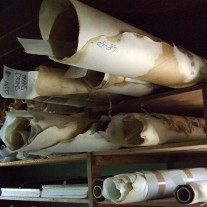
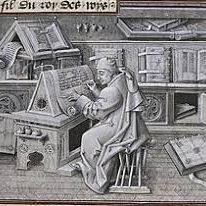
Vellum is the traditional material used to make manuscript pages. It was very expensive to make and use when monastery’s were producing manuscripts to spread Christianity. Books are the shape they are, taller than wider because of the way the vellum was folded. When paper was introduced they simply followed that traditional shape.The way our vellum is made has changed little in over a thousand years. It is specially made in the Highlands. The vellum is washed then soaked in the running water of a burn. It is then steeped in a mixture of lime and water for two weeks.
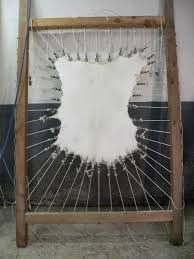
When the skin is removed the hair or wool is scraped off and the skin stretched tightly on a frame called a herse. Boiling water is then poured onto the skin to relax the fibres and then both sides of the skin are scraped with a sharp curved blade. This removes any unevenness, remaining fat and hair. It is then rubbed with chalk on both sides and placed in a cool dark place to dry. Once it is dry it is rubbed with a pummis stone to make the surface smooth.
The making of Vellum is a very environmentally friendly process. The sheep, cows and deer are raised for their meat and if tanners did not buy the skins they would be thrown away. The process uses a little soap, lime and chalk. It puts nothing into the air, water or earth that can cause harm, unlike the manufacture of paper today.